


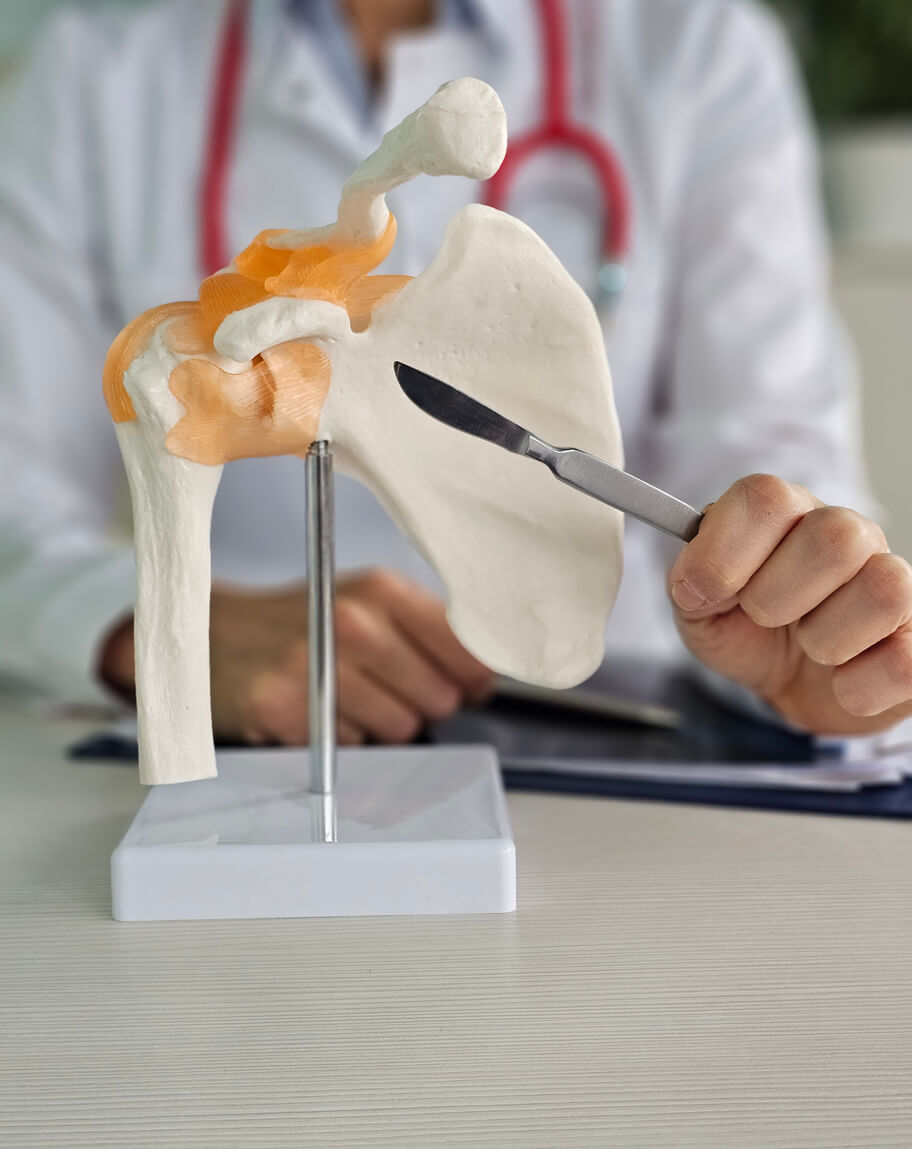
In short, arthroscopy offers a highly effective, minimally invasive solution for diagnosing and treating complex joint issues.
- Minimally invasive techniques. This surgical method utilizes tiny incisions and a camera to visualize the joint interior, reducing tissue damage.
- Accelerated recovery timelines. Patients typically experience significantly less postoperative pain and return to their normal daily activities much faster than with open surgery.
- Versatile treatment options. Orthopedic surgeons successfully treat a wide array of conditions in the knee, shoulder, hip, ankle, and wrist using this technology.
Arthroscopic surgery has fundamentally changed how orthopedic surgeons approach joint treatment. Do you experience chronic joint pain or stiffness that limits your daily activities? Many patients find that conservative treatments like physical therapy or medication do not provide lasting relief.
This guide explores how advanced medical technology can help restore your mobility and quality of life. By understanding the process, you can make informed decisions about your health.
What Is Arthroscopy?
Arthroscopy is a surgical procedure that allows doctors to view, diagnose, and treat problems inside a joint. The term itself is derived from Greek words meaning “to look within the joint.”
The surgeon inserts a small camera, known as an arthroscope, into the patient’s joint through a small cut. This device displays high-definition images on a video monitor in the operating room.
The surgeon uses these images to guide miniature surgical instruments. Because the arthroscope and instruments are thin, the surgeon can use very small incisions rather than the larger cuts needed for open surgery. This results in less pain for patients and shortens the time it takes to heal.
Common Conditions Treated with Arthroscopy
Doctors use arthroscopic techniques to treat various orthopedic conditions. While the knee and shoulder are the most frequently treated areas, the procedure is effective for many joints.
Knee Procedures
The knee is one of the most complex joints in the human body. Surgeons frequently use this method to repair torn meniscus cartilage.
They also use it to reconstruct a torn anterior cruciate ligament (ACL). Another common use is trimming damaged articular cartilage.
Shoulder Issues
Shoulder pain can severely impact your ability to perform simple tasks. Common procedures include rotator cuff repair and bone spur removal.
Surgeons also treat recurrent shoulder dislocations and labral tears. Frozen shoulder is another condition that often improves through this method.
Other Joint Applications
Specialists perform arthroscopic procedures on the hip, ankle, elbow, and wrist. For the hip, it can treat femoroacetabular impingement (FAI) and labral tears. Ankle arthritis and bone spurs are also treatable with this technology.
The Benefits of Minimally Invasive Surgery
There are significant advantages to choosing arthroscopy over traditional open surgery. The most obvious benefit is the reduced size of the incision.
Smaller incisions generally result in less scarring. They also reduce the risk of infection at the surgical site.
A study published in the Journal of Orthopaedic Case Reports highlights the efficacy of this approach. It found that patients undergoing arthroscopic rotator cuff repair reported high satisfaction rates and significant functional improvement.
Furthermore, most patients experience less postoperative pain. This often leads to a reduced need for pain medication, such as hydrocodone (Vicodin) or oxycodone (Percocet).
Preparing for Your Procedure
Preparation is a vital step toward a successful surgery. Your orthopedic surgeon will perform a physical examination before scheduling the procedure.
You may need preoperative tests. These might include blood tests, an electrocardiogram (EKG), or a chest X-ray.
Inform your doctor about any medications or supplements you are currently taking. You may need to stop taking certain blood thinners, such as warfarin (Coumadin) or aspirin, before surgery.
Your doctor will provide specific instructions regarding when to stop eating and drinking. Usually, you must fast for several hours before the operation.
What Happens During the Surgery?
Most arthroscopic surgeries are performed on an outpatient basis. This means you will not need to stay overnight at the hospital.
The anesthesia team will discuss your options with you. Depending on the joint and your health, you may receive local, regional, or general anesthesia.
Once the anesthesia takes effect, the surgeon makes a small incision about the size of a buttonhole. They insert the arthroscope to examine the joint. The surgeon may make additional small incisions to insert other instruments. These allow them to cut, grind, grasp, and anchor tissues as needed.
Recovery and Rehabilitation
Recovery time varies depending on the specific procedure and the patient’s overall health. However, it is generally faster than recovery from open surgery.
Studies indicate that minimally invasive procedures have lower complication rates than traditional surgeries. This safety profile is a major reason why doctors recommend it.
You will likely go home the same day as your surgery. You must have someone drive you home, as the anesthesia will impair your reflexes.
Postoperative Care
You should keep your incisions clean and dry. Your doctor will tell you when you can shower and change the dressing.
Ice is often recommended to reduce swelling and pain. Elevating the joint for several days after surgery is also beneficial.
Physical Therapy
Rehabilitation plays a crucial role in your recovery. Your doctor may prescribe physical therapy to restore the range of motion and strengthen muscles.
Following your physical therapy regimen is essential for a good outcome. It helps prevent scar tissue and stiffness.
Arthroscopic Surgery in Little Rock
Joint pain should not dictate how you live your life. Modern medicine offers solutions that are less invasive and highly effective.
If you are suffering from joint issues, it is time to seek professional help. Early intervention often leads to better long-term results.
Dr. Bill Hefley is a board-certified orthopedic surgeon specializing in minimally invasive arthroscopic surgery in Little Rock. He dedicates his practice to helping patients return to their active lifestyles through expert care.
Do not let pain hold you back any longer. Call (800) 336-2412 or request an appointment online to learn more about your treatment options today.

 Read our Blog
 Patient Education