


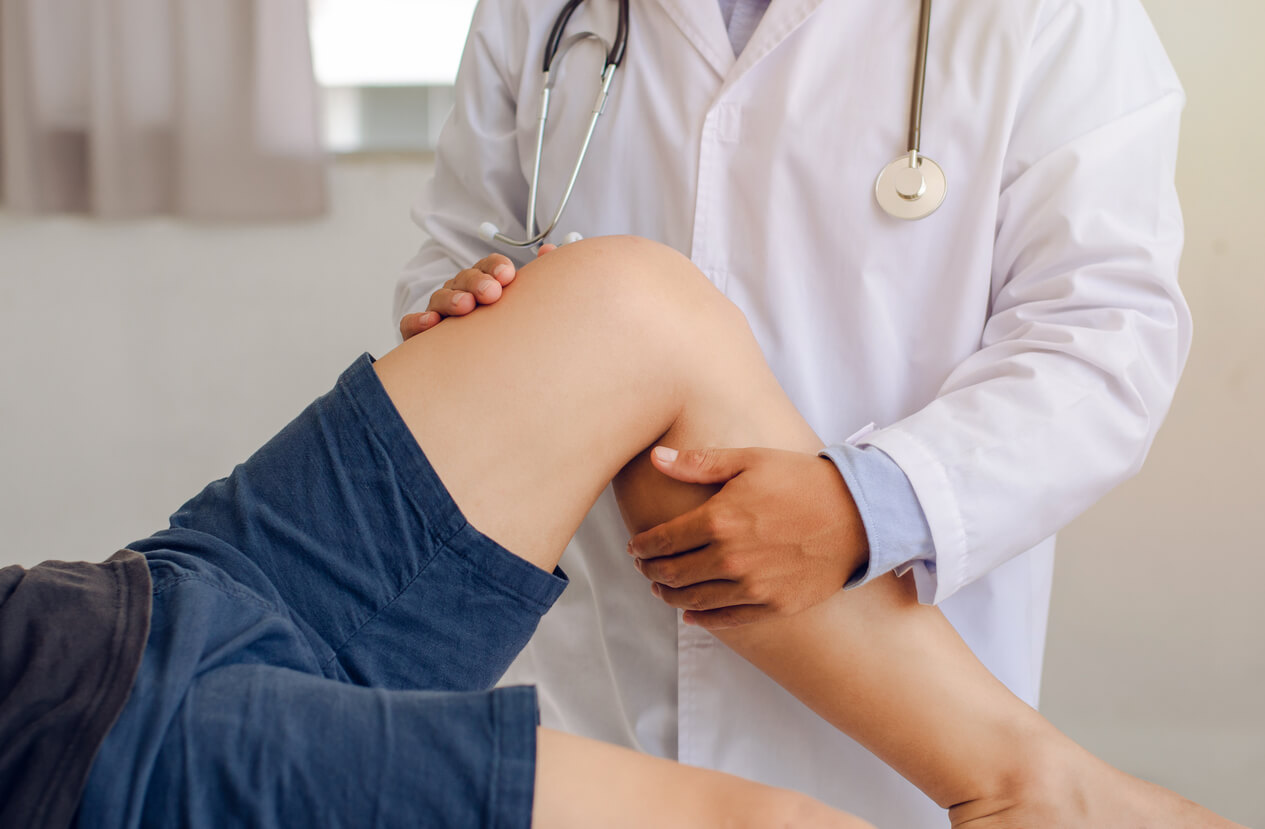
There are several highly effective orthopedic treatments available in Little Rock for addressing hip and knee conditions. These options aim to alleviate pain, restore mobility, and improve quality of life.
In short,
- Many conditions can be managed with physical therapy, medications, and lifestyle adjustments.
- Advanced techniques like arthroscopy provide effective solutions with shorter recovery times.
- For severe cases, hip or knee replacement offers long-term relief and restoration of function.
If you are experiencing persistent hip or knee pain, you already know how deeply it can impact your daily life. These vital joints are essential for movement, and when they are compromised by injury or disease, simple tasks can become daunting.
Fortunately, seeking expert Little Rock orthopedic care can help you accurately diagnose the root cause of your discomfort, preventing condition progression and long-term disability.
This guide outlines the common causes of joint pain, the diagnostic processes used by specialists, and the comprehensive treatment options available to help you regain function.
Understanding Hip and Knee Conditions
Your hips and knees are complex structures designed to bear weight and facilitate fluid movement. The hip is a sturdy ball-and-socket joint, while the knee functions primarily as a hinge joint. Because they endure significant daily stress, both are highly susceptible to wear, tear, and injury.
Untreated joint conditions can lead to chronic pain, permanent disability, and a severely reduced quality of life. Osteoarthritis alone affects tens of millions of adults, making joint deterioration a widespread concern.
Little Rock orthopedic surgeons specialize in diagnosing, treating, and rehabilitating these exact injuries. By creating tailored treatment plans, our specialists aim to alleviate pain, restore proper joint mechanics, and enhance your overall mobility.
Common Hip Disorders
According to Johns Hopkins, hip conditions often involve the deterioration of the ball-and-socket mechanism, leading to a variety of ailments that typically manifest as deep pain and a restricted range of motion. Frequent diagnoses include:
- Osteoarthritis: The wearing down of protective cartilage over time.
- Labral Tears: Damage to the ring of cartilage (labrum) that lines the outside rim of the hip socket.
- Structural Impingement: Abnormal contact between the bones of the hip, leading to damage.
- Bursitis: Inflammation of the bursae, which are small, fluid-filled sacs that cushion the bones, tendons, and muscles near the joints.
Common Knee Disorders
Knee issues frequently stem from structural damage to the hinge mechanism or surrounding tissues. These conditions can severely limit walking, weight-bearing, and other routine activities. Frequent diagnoses include:
- Meniscal Tears: Damage to the C-shaped pieces of cartilage that act as shock absorbers between the shinbone and thighbone.
- Ligament Injuries: Sprains or tears of the ligaments connecting the thighbone to the shinbone, such as the anterior cruciate ligament (ACL).
- Patellofemoral Pain: Pain in the front of the knee, around the kneecap (patella).
- Cartilage Damage: Injury or wear and tear to the articular cartilage that covers the ends of the bones.
According to Medline, the most common source of pain affecting the knee is osteoarthritis, a degenerative joint condition where the cartilage that cushions the ends of the bones gradually wears away.
Common Causes and Risk Factors for Joint Pain
Hip and knee conditions generally stem from one of three primary categories:
- Degenerative processes
- Acute trauma
- Inflammatory factors
Understanding the underlying cause is essential for determining the most effective treatment path.
Degenerative Conditions
Degenerative joint disease develops gradually over time, often due to aging and repetitive stress.
- Osteoarthritis (OA): A progressive condition where the breakdown of protective cartilage causes bones to rub against one another, resulting in pain and stiffness.
- Degenerative Meniscal Tears: The meniscus in the knee weakens with age, becoming prone to tearing during normal activities.
- Avascular Necrosis (AVN): An interruption of the blood supply, most often to the femoral head of the hip, causes bone tissue to die.
Traumatic Injuries
Acute trauma can instantly compromise the integrity of a joint. These injuries often result from high-energy forces like sports collisions or sudden falls.
- Ligament Tears: Significant force can tear essential stabilizing ligaments, such as the ACL in the knee or the labrum in the hip.
- Fractures: Breaks in the bones surrounding the hip or knee range from simple cracks to complex shattering, often requiring surgical repair.
- Dislocations: When bones are forced out of their natural alignment, it creates a medical emergency that requires immediate reduction by an orthopedic specialist.
Inflammatory and Systemic Factors
Systemic diseases can attack the joints, leading to rapid deterioration and chronic pain.
- Rheumatoid Arthritis (RA): An autoimmune disease that causes chronic inflammation of the joint lining, eventually leading to severe cartilage and bone erosion.
- Gout: A form of inflammatory arthritis caused by the accumulation of uric acid crystals in the joint, triggering sudden, excruciating pain, often in the knee.
- Septic Arthritis (Infection): A dangerous joint infection that can rapidly destroy cartilage, requiring urgent medical intervention.
Recognizing the Signs and Symptoms
Recognizing the early signs of joint dysfunction is vital for timely intervention. While some symptoms are general, others point to specific structural issues that require professional evaluation.
Hip-Specific Symptoms
- Groin Pain: Pain felt deep in the front of the hip or groin, especially when worsened by movement, often signals an internal joint problem.
- Lateral Hip Pain: Discomfort on the outer hip is frequently linked to issues like bursitis or gluteal tendinopathy.
- Stiffness and Reduced Motion: Difficulty with basic hip flexion, such as bending over to put on socks, indicates significant stiffness.
- Clicking or Catching: A mechanical clicking or catching sensation during movement may indicate a labral tear or loose bone fragments within the joint.
Knee-Specific Symptoms
- Localized Pain: The specific location of pain can narrow the diagnosis, as anterior pain suggests patellofemoral issues, while medial or lateral pain often points to meniscal or ligament damage.
- Swelling and Effusion: Fluid accumulation within the joint is a common response to injury or inflammation.
- Instability: A feeling that your knee is “giving way” is a strong indicator of a significant ligament injury like an ACL tear.
- Locking: A knee getting stuck in one position is often caused by a displaced meniscal tear or a loose body within the joint.
Advanced Little Rock Orthopedic Diagnostics
Accurate diagnosis forms the foundation of any effective treatment plan. Little Rock orthopedic specialists combine thorough clinical evaluations with advanced imaging technologies to pinpoint the exact root cause of your hip or knee pain.
Comprehensive Clinical Examination
Your evaluation begins with a detailed patient history. Your physician will discuss the onset of your symptoms, how they have progressed, aggravating factors, and your past medical history.
This is followed by a hands-on physical assessment to evaluate your joint range of motion, stability, structural alignment, and gait.
Specialists also utilize specific stress tests, such as the FADIR test for hip impingement or the Lachman test for an ACL tear, to reproduce symptoms and isolate the problem.
Precision Imaging Studies
- X-rays: This primary imaging tool is used to evaluate bone structures for issues such as fractures, dislocations, and arthritis.
- MRI (Magnetic Resonance Imaging): MRIs provide highly detailed images of soft tissues like ligaments and cartilage, making them invaluable for diagnosing tears not visible on X-rays.
- CT Scans: Offering detailed, cross-sectional views of bone, these scans are especially useful for assessing complex fractures and planning surgical interventions.
Advanced Diagnostic Tools
For more specific assessments, your orthopedic specialist may employ several advanced techniques:
- Musculoskeletal Ultrasound: Your specialist may use this for real-time imaging of tendons and bursae, often to guide therapeutic injections.
- Diagnostic Injections: A local anesthetic is placed into the joint to confirm the exact source of pain.
- Arthroscopy: A minimally invasive procedure that uses a small camera to allow for direct visualization of the joint interior for definitive diagnosis and simultaneous treatment.
Comprehensive Treatment and Management Strategies
Treatment is highly individualized. Your Little Rock orthopedic team will consider your specific diagnosis, the severity of the condition, your age, your activity level, and your overall health.
The ultimate goal is to provide lasting pain relief and functional improvement using the most effective, least invasive methods available.
Conservative Approaches
Many joint conditions respond exceptionally well to non-surgical management, particularly when diagnosed early.
- Physical Therapy: A structured regimen of exercises designed to improve strength, flexibility, balance, and body mechanics, thereby providing better support for the affected joint.
- Medication Management: The targeted use of specific medications to reduce both pain and inflammation.
- Therapeutic Injections: Corticosteroid injections can rapidly decrease severe inflammation, while hyaluronic acid injections help lubricate the joint.
- Activity Modification and Bracing: Adjusting your daily activities, avoiding high-impact sports, and utilizing specialized supportive braces can significantly reduce physical stress on the compromised joint.
Surgical Interventions
When conservative measures no longer provide adequate relief, surgical intervention may be required to restore function.
- Arthroscopy: A minimally invasive surgical approach used to repair torn menisci or labrums, trim damaged cartilage, and remove loose bodies from the joint.
- Joint Replacement (Arthroplasty): For severe, end-stage arthritis, replacing the damaged joint with a highly durable prosthetic offers profound pain relief and restores natural function.
- Osteotomy: A specialized procedure involving the surgical cutting and realignment of bone to shift weight away from damaged joint areas onto healthier cartilage.
- Ligament Reconstruction: The surgical replacement of a severely torn ligament, such as the ACL, using a tissue graft to restore crucial joint stability.
Rehabilitation and Prevention
Following any surgical intervention, structured post-surgical rehabilitation is imperative. Physical therapy ensures you safely restore strength, range of motion, and function.
Long-term joint health also relies on lifestyle modifications, including maintaining a healthy body weight, engaging in regular low-impact exercise, and consuming a balanced diet.
When to Seek Professional Orthopedic Care
While minor muscle aches often resolve with rest and home care, certain symptoms require prompt professional evaluation. Timely orthopedic intervention prevents further tissue damage, accelerates pain relief, and restores your mobility faster.
Urgent Symptoms Requiring Immediate Attention
You should seek emergency medical care if you experience any of the following:
- Severe Acute Pain Following Trauma: Intense pain after a fall, accident, or sports injury that may indicate a fracture, dislocation, or complete ligament rupture.
- Inability to Bear Weight: A complete loss of functional ability, where you cannot place any weight on the affected leg.
- Obvious Deformity or Rapid Swelling: A visible change in the shape of your joint or rapid, significant swelling immediately following an injury.
- Signs of Infection: Redness, abnormal warmth, fever, chills, or drainage from the joint.
When to Schedule a Routine Appointment
Consult a Little Rock orthopedic specialist if you are dealing with:
- Chronic Pain: Hip or knee pain that persists for weeks or months despite resting and icing the area.
- Progressive Stiffness: A gradual decline in your ability to move the joint freely, making daily activities increasingly difficult.
- Loss of Mobility: The inability to perform routine tasks, such as walking, climbing stairs, or standing for normal durations without significant discomfort.
- Night Pain: Joint pain severe enough to wake you up or prevent you from falling asleep.
Frequently Asked Questions (FAQ)
Below, you’ll find answers to some of the most common questions about Little Rock orthopedic services to help you better understand how we can support your needs.
What specific hip and knee conditions do you specialize in?
Our specialists are highly experienced in treating a comprehensive range of hip and knee conditions, including but not limited to osteoarthritis, rheumatoid arthritis, post-traumatic arthritis, avascular necrosis, hip dysplasia, and complex sports-related injuries.
We develop individualized treatment plans tailored to the unique diagnosis of each patient.
When should I consider seeing a Little Rock orthopedic specialist for my hip or knee pain?
You should consider scheduling an evaluation if you experience chronic pain that is not relieved by rest or over-the-counter medication, increasing stiffness, a noticeable decline in your mobility, or pain that interferes with your sleep.
Early consultation can often lead to more effective, less invasive treatment options.
What non-surgical treatment options are available for hip and knee conditions?
We offer a robust selection of non-surgical interventions designed to alleviate pain and improve function. These may include physical therapy, anti-inflammatory medications, lifestyle and activity modifications, corticosteroid injections, and hyaluronic acid injections to lubricate the joint.
Where Can I Find a Little Rock Orthopedic Specialist in Arkansas?
Do not let chronic hip or knee pain dictate the terms of your life. Seeking expert Little Rock orthopedic care is the first step toward reclaiming your independence, comfort, and mobility. Our experienced professionals are dedicated to providing the comprehensive, compassionate care you deserve.
Contact our specialists today to schedule an evaluation and begin your journey toward a pain-free life. Call us at (800) 336-2412 or use our secure online appointment request form to get started.

 Read our Blog
 Patient Education