It is a standard practice among orthopedic doctors to exhaust conservative treatments first when addressing musculoskeletal problems. However, there are cases where orthopedic doctors have to consider surgical intervention as the first-line treatment or the best solution. A good case in point is an injury that has caused a connective tissue to get completely torn….
Orthopedic Doctor Little Rock AR
Can I be a Candidate for a Minimally Invasive Shoulder Surgery?
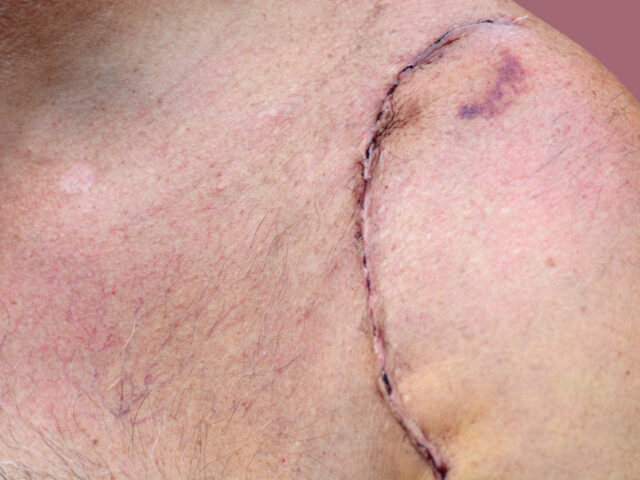
It’s scary when you can’t move your shoulder due to injury or other conditions. However, undergoing a knife is even scarier, especially because wounds after surgeries can take longer to heal. Fortunately, minimally invasive surgeries for the shoulder offer quick recovery, smaller incisions, fewer complications, and minimal scarring. You can consult your orthopedic surgeon if…
Why Minimally Invasive Surgery Is the Future of Healthcare
Surgical procedures can be intimidating, especially because of the incisions associated with them. This aspect alone can discourage patients from getting surgical treatment. The recovery period is also an issue, more so for those whose surgeries cause large wounds which take longer to heal. Fortunately, minimally invasive surgery has been on a steady rise in…
Top Exercises for Total Knee Replacement Patients
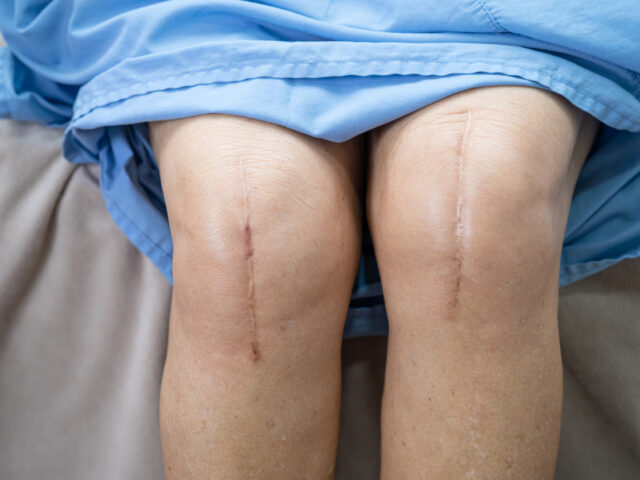
If you have had or are planning to have a total knee replacement, keep in mind that your treatment won’t end when the surgery is over. Physical therapy is an essential aspect to achieving complete recovery and in regaining your knee function. Your orthopedic surgeon will work with your physical therapist to help you strengthen…
Orthopedic Doctor Answers Your Questions About Chronic Knee Pain
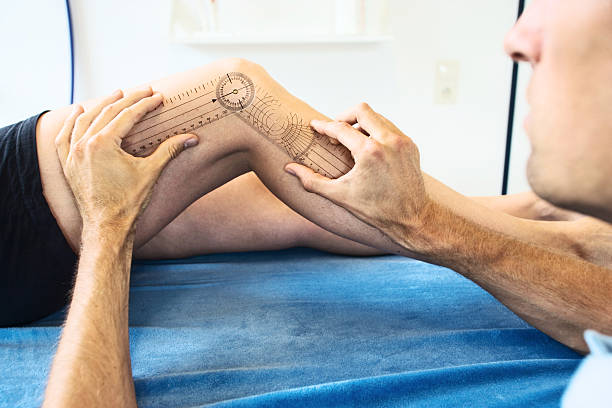
Knee pain is a very commonly reported issue. According to research, it affects about 25% of adults, causing limited joint mobility and function. Experiencing chronic knee pain may have you thinking about its cause and ways to prevent it – and who better to answer such concerns than an orthopedic doctor. Dr. William Hefley, our…


Read our Blog
Patient Education