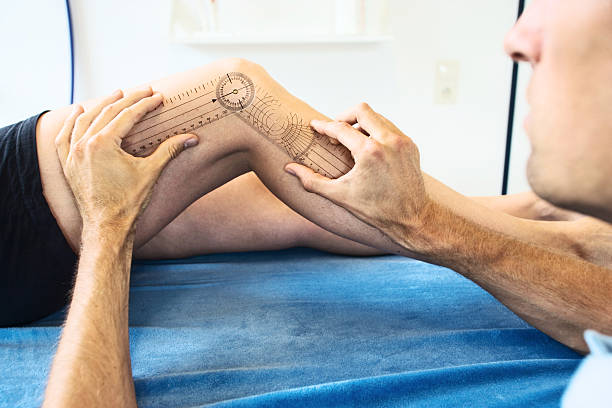
Orthopedic surgery is an effective method for resolving many bone and joint conditions. While orthopedists don’t recommend orthopedic surgery as a first-line treatment, it helps treat cases where conservative treatments have failed. With orthopedic surgery, patients can expect remarkable mobility and flexibility improvements. It often allows them to return to many of their regular activities….
Orthopedic Surgeon Little Rock AR
Injuries that Require Orthopedic Surgery
It is a standard practice among orthopedic doctors to exhaust conservative treatments first when addressing musculoskeletal problems. However, there are cases where orthopedic doctors have to consider surgical intervention as the first-line treatment or the best solution. A good case in point is an injury that has caused a connective tissue to get completely torn….
Why Minimally Invasive Surgery Is the Future of Healthcare
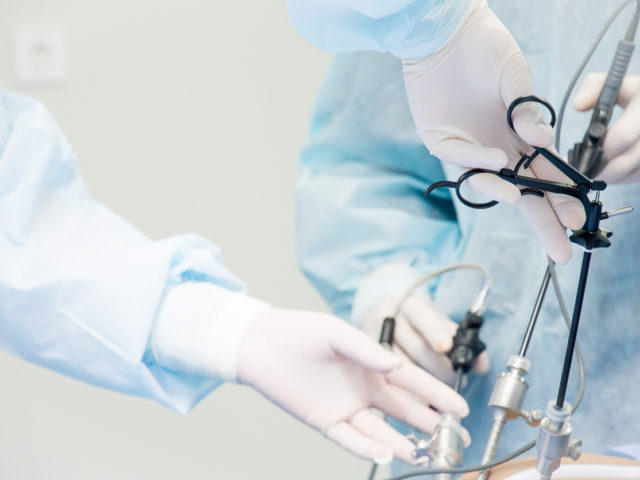
Surgical procedures can be intimidating, especially because of the incisions associated with them. This aspect alone can discourage patients from getting surgical treatment. The recovery period is also an issue, more so for those whose surgeries cause large wounds which take longer to heal. Fortunately, minimally invasive surgery has been on a steady rise in…
Is There A Recovery Period After Minimally Invasive Surgery?
Perhaps one of the scariest things a doctor can tell you is that you need surgery. However, nowadays, there are minimally invasive surgeries available to patients, which can take away much of the intimidating parts of surgery. However, every surgery has a recovery phase — even minimally invasive surgery. How Long Is The Recovery Phase…
3 Common Minimally Invasive Surgery Procedures
The word “surgery” can be intimidating to a lot of people. The thought of sharp objects coming near your skin, a long and painful recovery, and scary complications can be frightening. Minimally invasive surgery is an excellent way to get surgery safely and efficiently. With less pain, shorter recovery periods, and safer procedures, minimally invasive…


Read our Blog
Patient Education