
Because pain and injuries of muscles, bones, joints, and connective tissues are one of the most common reasons to seek medical care in America, it’s no surprise that ortho surgeons are high-in-demand. Ortho surgeons are medical doctors who have dedicated their careers to helping patients with musculoskeletal injuries and conditions feel better, move easily, and…
Our Blog
How PRP Treatment Works for Osteoarthritis
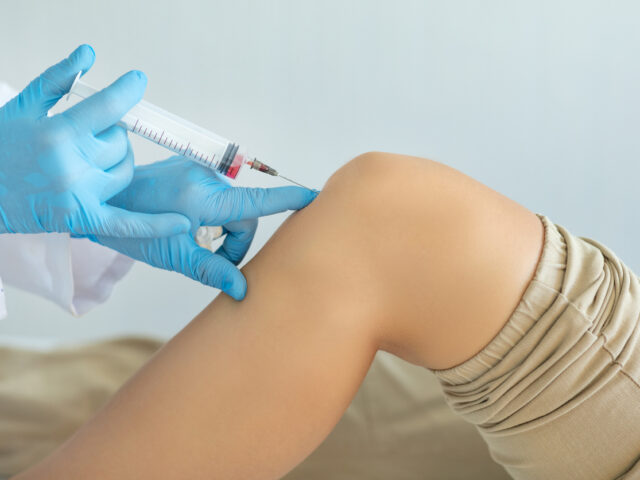
Platelet-rich plasma (PRP) therapy is an innovative treatment to promote the natural healing process in patients with orthopedic injuries and conditions. It has been found to be particularly effective in the treatment of osteoarthritis, by helping to relieve joint pain and other symptoms. PRP therapy is a regenerative medicine treatment that utilizes components from your…
What Can an Orthopedic Doctor Diagnose?
Orthopedic doctors diagnose and treat conditions of the musculoskeletal system. This includes bones, joints, ligaments, tendons, muscles, and nerves, which enable movement and sensation. If you are experiencing pain, weakness, or a reduced range of motion, an orthopedic doctor can help you get back to doing the activities you enjoy– pain-free. How Can an Orthopedic Doctor…
How Minimally Invasive Surgery Works
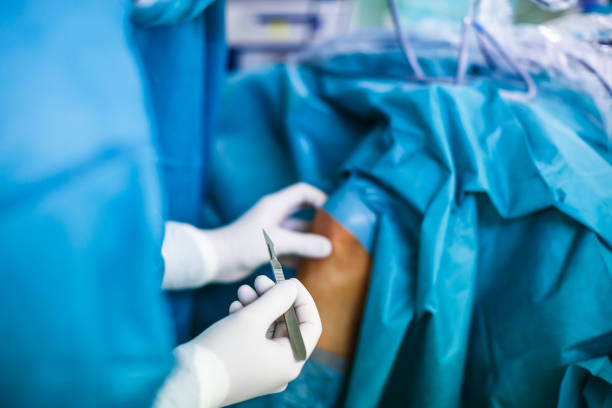
Some orthopedic injuries and conditions can recover at home without any intervention, while others only need nonsurgical treatments. However, surgery may be necessary if the damage is severe or not responding to other treatments. Fortunately, you don’t always have to undergo intimidating traditional open procedures. Minimally invasive surgery offers significant advantages over open procedures. It…
Signs and Symptoms of an ACL Tear
Anterior cruciate ligament (ACL) tears account for approximately half of all knee injuries. This type of injury is common among athletes and can range from mild to severe, depending on the extent. Around 90-95% of ACL tears are non-contact injuries due to sudden stopping or cutting movements. However, proper diagnosis and treatment are crucial to…


Read our Blog
Patient Education